Direct digital workflow
A streamlined path from digital treatment planning to the finished aligner, with no physical model in between.

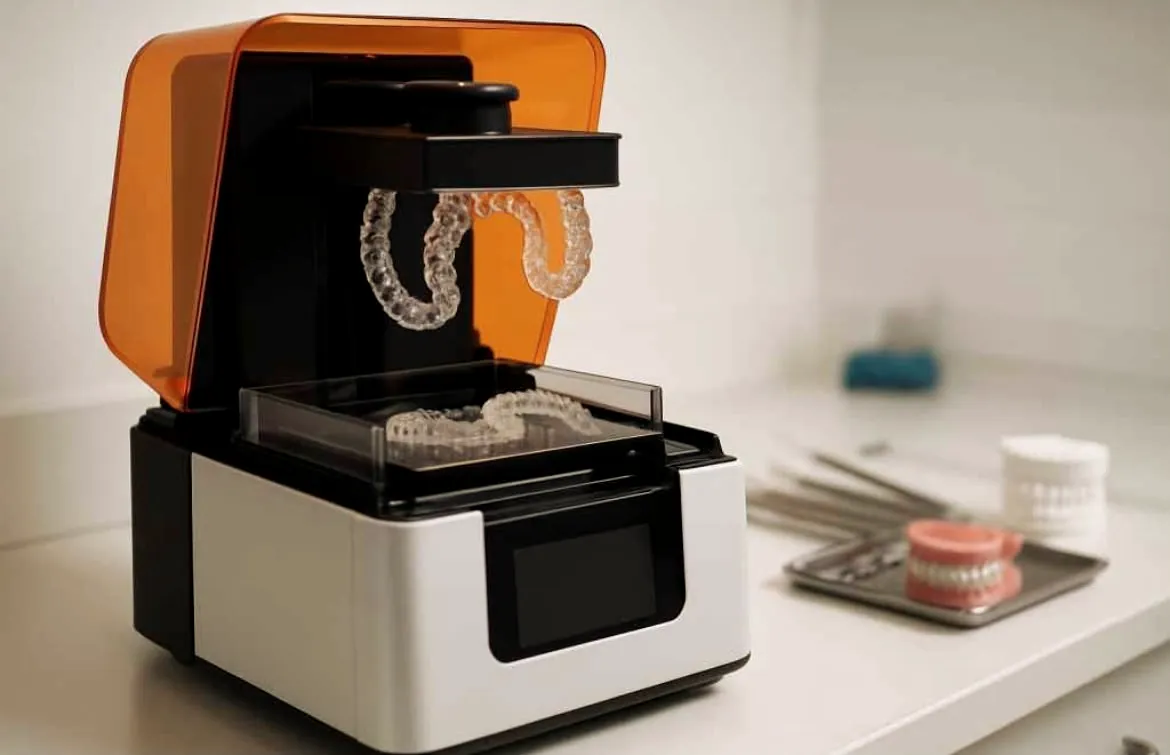
Direct Printed Aligners are produced straight from the digital treatment plan through an advanced 3D printing workflow, rather than being thermoformed over a printed model.
A streamlined path from digital treatment planning to the finished aligner, with no physical model in between.
The aligner itself can be digitally designed according to the requirements of the treatment.
3D printing opens design and production possibilities that a thermoforming route cannot reach.
A model-free workflow simplifies selected stages of the production process.
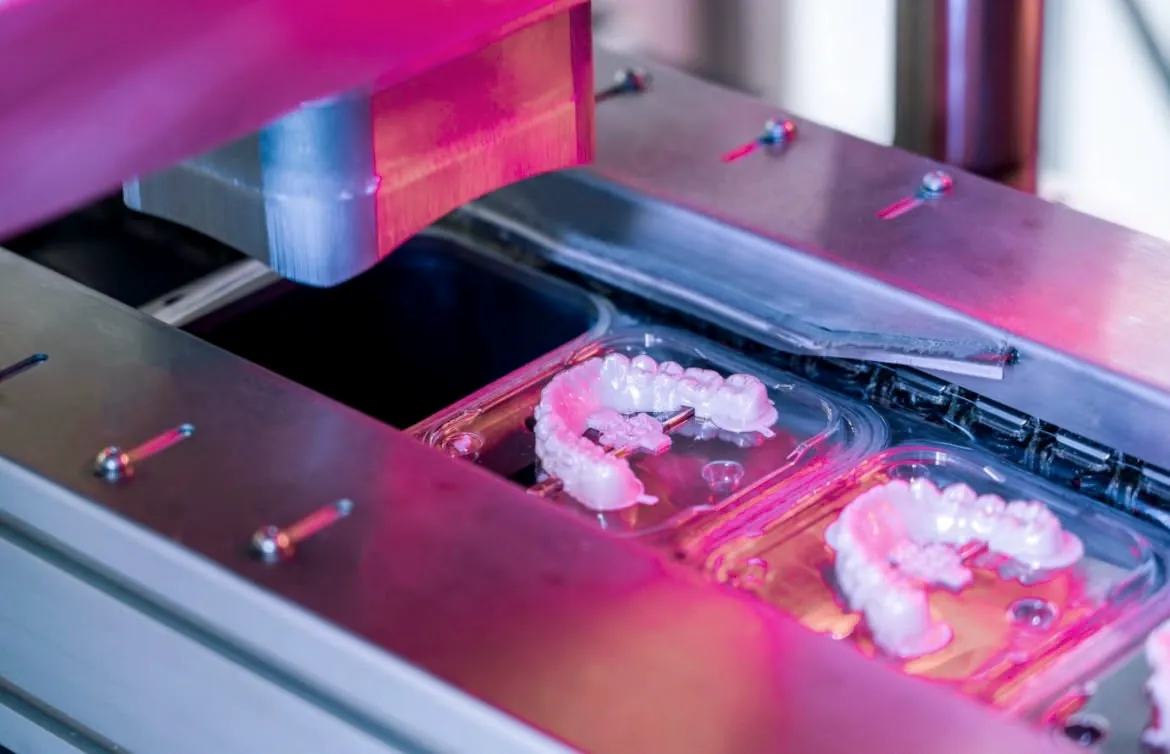
Nothing is printed before it is planned.
The virtual setup defines every tooth position in the series. The printer receives that plan directly, so what is produced is what was approved.
Every aligner is inspected before it ships.
Aligners are printed, post-processed and inspected against the planned stage before the case is released for delivery.
DPA stands for Direct Printed Aligners. Unlike traditional thermoformed aligners, they are manufactured directly through a 3D printing process.
Both are clear aligner manufacturing approaches. DPA uses direct 3D printing, while thermoformed aligners are formed over a model. The appropriate workflow depends on the specific case and clinical requirements.
Technology selection is part of case planning. Submit the case and the recommended workflow will be discussed with you before production begins.
Take on a laboratory as a dental professional, or begin treatment as a patient.
Patients: tell us what you would like to improve. Dental professionals: open a practice account and put our laboratory behind your prescriptions.