Check what you received
Make sure the set is complete and in good condition, and that the number of aligners matches your treatment plan.

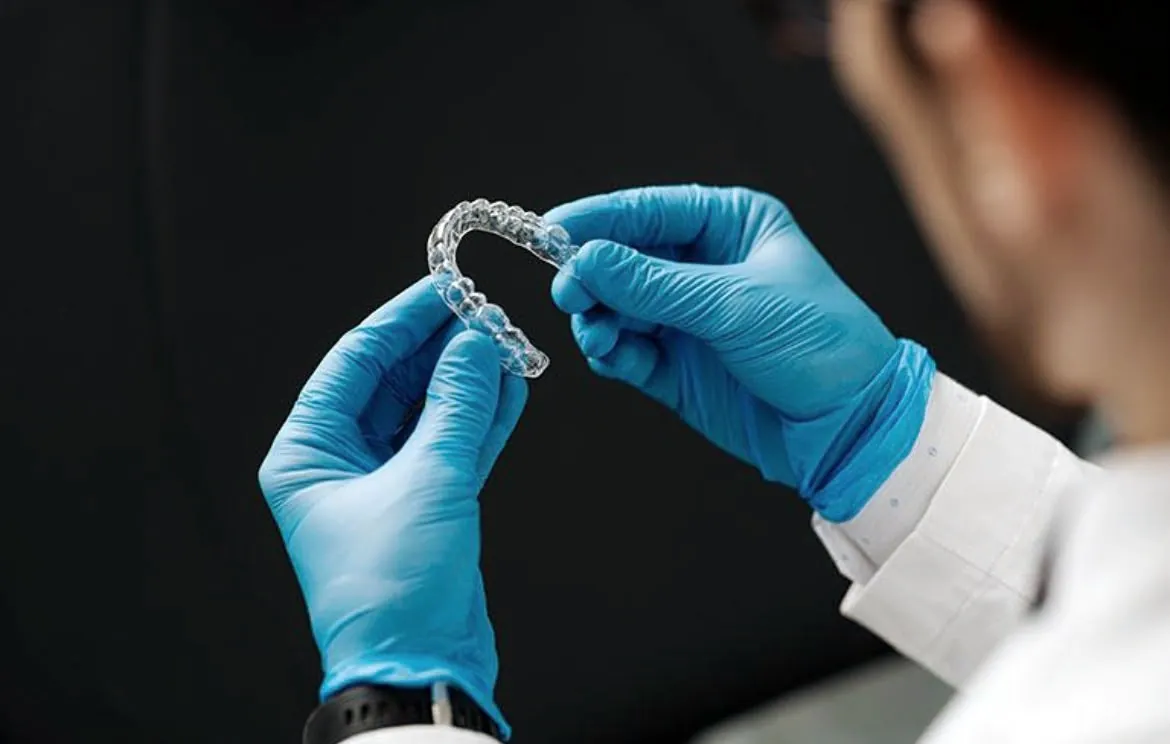
Aligners only move teeth while they are worn correctly and kept clean. This guide covers putting them in, taking them out, caring for them day to day, and what to do when something does not feel right. Your treating dentist stays your first point of contact.
Make sure the set is complete and in good condition, and that the number of aligners matches your treatment plan.
Rinse a new aligner with lukewarm water before putting it in for the first time. It may feel tight at first — that is normal.
Wear them day and night, removing them only to eat, to drink anything other than water, and to brush and floss.
Put the upper aligner in first, then repeat every step for the lower one.
Push the aligner gently onto the front teeth until it begins to sit.
Apply even pressure with your fingertips, or with the chewie, until the aligner seats fully in place.
Work through the same sequence for the lower aligner.
Start at the back teeth on one side and use your fingertips, or a removal tool, to ease the aligner away from the teeth. Then work gradually across to the other side.
Each set is usually worn for one to two weeks, but follow the schedule your dentist gives you and change on the date they set. Complete every set in the series.
Check that the new aligner fits properly. Slight pressure or tightness in the first days is expected and should not be painful.
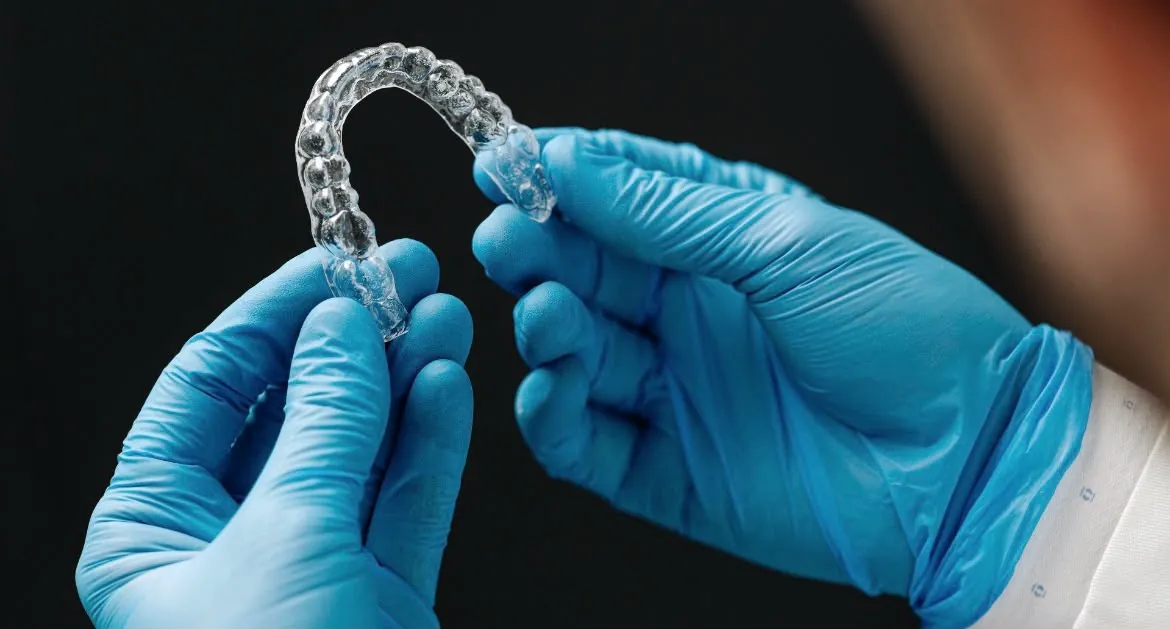
Toothpaste is the one thing never to use.
Rinse your aligners every morning and before bed, then brush them with a soft toothbrush and a mild, clear, unscented liquid soap — or a cleaner made for aligners — and rinse thoroughly with lukewarm water. Avoid toothpaste: it is abrasive and leaves fine scratches that make the aligner cloudy. Two or three times a week, soak them in effervescent aligner tablets as the product directs, and rinse before putting them back. Never use hot water, which warps them.

A wrapped aligner is an aligner in the bin.
Whenever the aligners are out of your mouth, keep them in their protective case — that is what prevents loss and damage. Make sure they are dry before you close the case, so bacteria do not grow on them. Brush your teeth before putting the aligners back in, so nothing is sealed against the enamel.
It is normal to feel pressure or mild soreness when you move to a new set. It usually settles within a few days.
If your dentist has bonded attachments to your teeth, expect the same settling-in period after they are placed.
An over-the-counter painkiller such as ibuprofen, taken with food, can ease the discomfort. Ask your dentist or pharmacist what suits you and follow the dose they give you.
Attend all scheduled visits so progress is monitored and adjustments can be made. Bring your aligners and any accessories with you each time.
Contact your dentist straight away. Until a replacement arrives, wear the previous set or the next one — but only as your dentist instructs.
Your aligners are made for your teeth alone. Do not share them, do not skip ahead, and do not change sets without your dentist approving it.
Your aligners only work while they are on your teeth. Leave them out too long and the teeth drift back.
Take on a laboratory as a dental professional, or begin treatment as a patient.
Patients: tell us what you would like to improve. Dental professionals: open a practice account and put our laboratory behind your prescriptions.